Seasonal Shifts in Player Activity and Their Effects on Bonus Cycling Across Multi-Game Platforms
Iris Wagner · Aug 21, 2026
Seasonal Shifts in Player Activity and Their Effects on Bonus Cycling Across Multi-Game Platforms
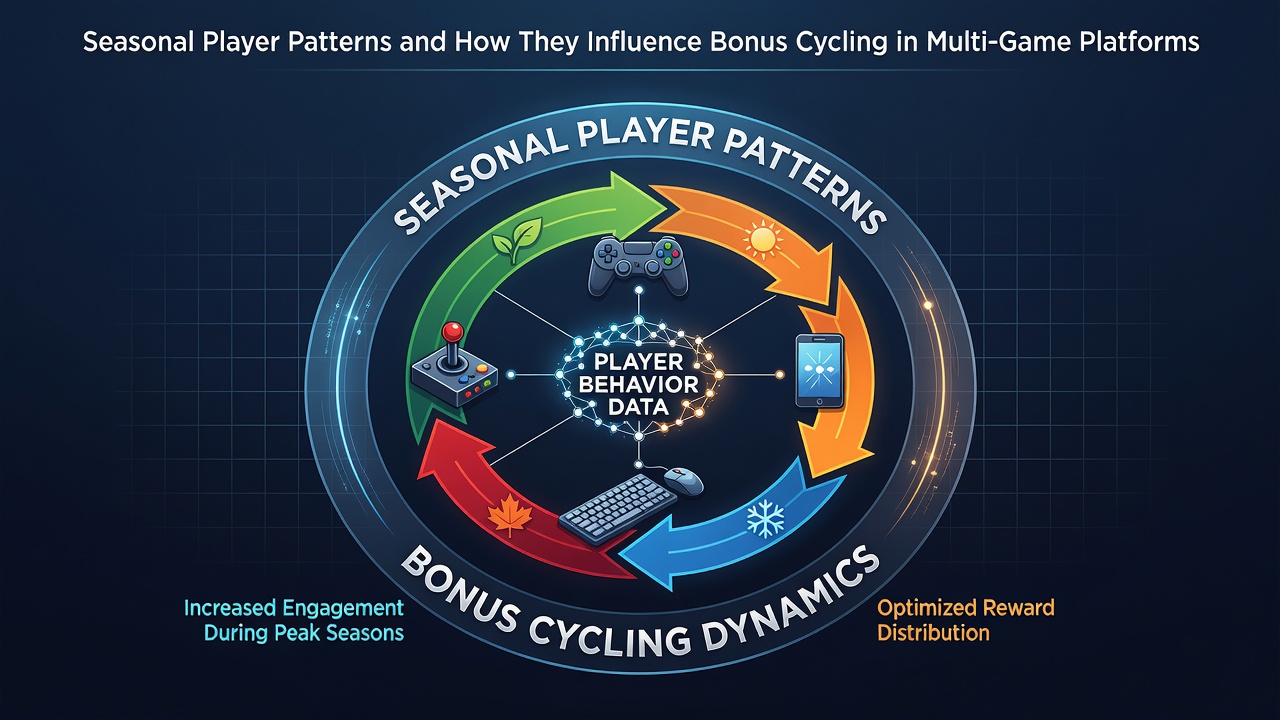
Seasonal patterns in online gaming show clear fluctuations that affect how participants interact with bonus offers on platforms offering multiple game types, and these cycles often determine when players redeem, wager through, and recycle promotional funds. Data collected across various regions indicates higher engagement during winter months in northern hemispheres while summer periods see dips in certain markets, and August 2026 records show platforms adjusting bonus structures in response to these shifts. Observers note that multi-game environments combining slots, table games, and poker experience distinct behaviors tied to holidays, school schedules, and weather changes.
Documented Patterns in Player Participation
Research from industry reports reveals consistent peaks around major holidays such as Christmas and New Year, when participation rates rise by measurable percentages across integrated platforms, and these increases correlate with extended bonus cycling as users seek to maximize limited-time offers. Summer months bring different dynamics, with some regions reporting reduced activity due to outdoor alternatives, although platforms in southern hemispheres often see opposite trends during their winter. Studies compiled by academic groups highlight how school breaks influence family-oriented demographics, leading to shorter but more frequent sessions that affect how bonuses get cycled through wagering requirements.
Platforms track these variations through internal metrics, and figures from multiple operators demonstrate that bonus redemption rates climb during promotional events aligned with seasonal lulls, encouraging continued play when natural engagement might otherwise drop. Those monitoring user data find that poker sections within multi-game sites attract different seasonal crowds compared to slots, creating segmented cycling behaviors where one game type sees heavier bonus use while another remains steady.
How Seasonal Changes Drive Bonus Cycling Mechanics
Bonus cycling refers to the process of claiming, meeting playthrough conditions, and withdrawing or rolling over funds, and seasonal player patterns directly shape the timing and volume of these actions. During high-activity periods like late fall and early winter, increased logins allow players to complete cycles faster because more games contribute to requirements simultaneously, whereas quieter months prompt platforms to extend deadlines or introduce flexible terms to sustain momentum. Evidence from aggregated user statistics shows that multi-game setups benefit from cross-promotions that link bonuses across categories, allowing participants to shift between game types as seasonal preferences evolve.
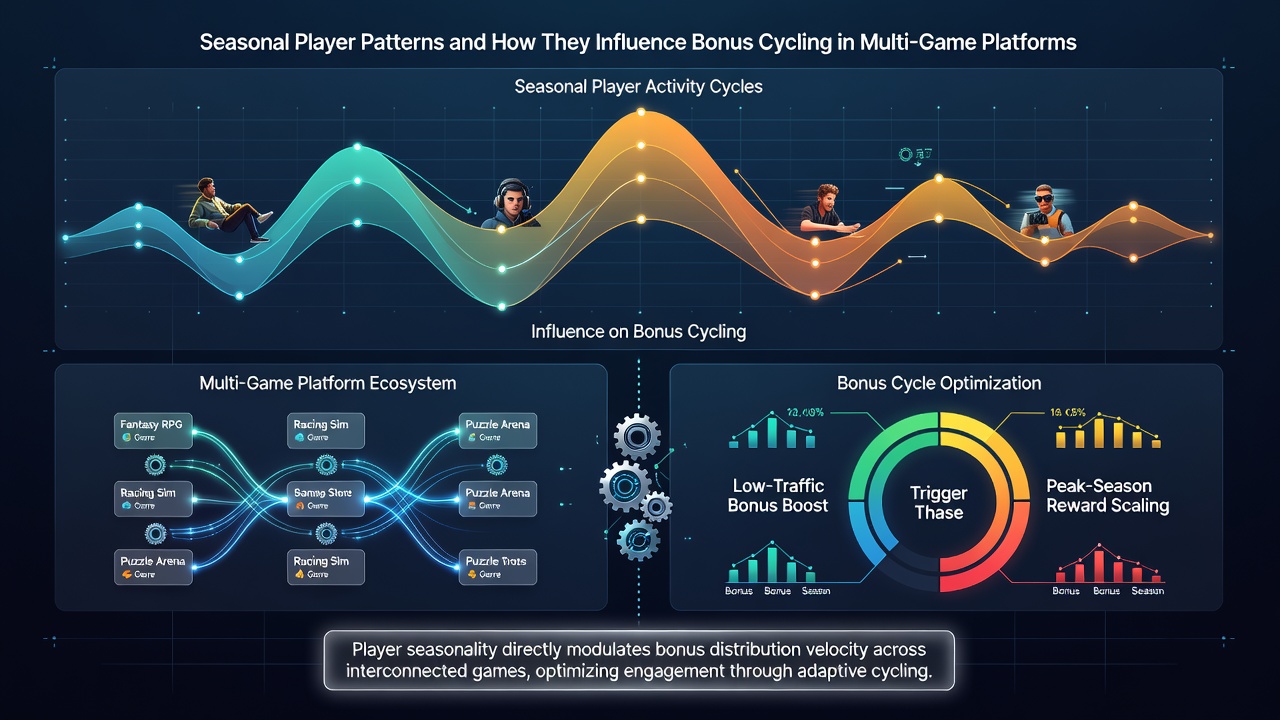
Operators respond by timing major bonus releases around predictable dips, such as post-holiday January or mid-summer periods, and this strategy helps maintain steady cycling volumes. Data indicates that players often extend cycles during off-peak times by combining smaller daily offers with seasonal campaigns, resulting in longer overall engagement windows. Researchers at institutions studying digital entertainment have documented how weather-related changes in one geographic area can ripple across global platforms when users from multiple time zones participate.
Regional Variations and Platform Adaptations
Geographic differences produce varied seasonal effects, with North American markets showing strong activity spikes around major sporting events that overlap with bonus promotions, while European and Asian regions display patterns tied to local festivals and vacation schedules. Platforms operating across borders adjust bonus parameters accordingly, using historical data to predict when cycling activity will rise or fall. Reports from organizations like the American Gaming Association provide broader context on these trends, and similar analyses from Australian research bodies offer comparative insights into southern hemisphere behaviors.
Multi-game environments allow participants to pivot between titles based on seasonal interest, and this flexibility influences how quickly bonuses progress through requirements. For instance, winter months often see increased table game participation that accelerates cycling for those offers, while summer shifts toward mobile slots can slow or speed cycles depending on device usage patterns. Observers tracking these movements note that platforms refine algorithms to detect and respond to such changes in real time.
Observed Outcomes from Seasonal Data Analysis
Longitudinal tracking reveals that consistent seasonal adjustments lead to more predictable bonus cycling volumes year over year, and platforms that align offers with documented player movements report steadier retention across game categories. Academic papers examining digital gaming economics have explored these dynamics through case studies spanning multiple years, showing measurable correlations between external seasonal factors and internal promotional performance. In August 2026, several operators introduced targeted campaigns based on prior summer data, resulting in stabilized cycling rates despite typical seasonal slowdowns in certain markets.
Those analyzing aggregated platform statistics find that cross-game bonuses perform particularly well during transitional seasons such as spring and fall, when players experiment with new titles. This experimentation often extends cycling periods because requirements must be met across varied game types, adding complexity but also opportunity for sustained activity.
Conclusion
Seasonal player patterns continue to shape bonus cycling on multi-game platforms through measurable shifts in participation timing, game preferences, and redemption behaviors, and operators rely on data from diverse regions to refine their approaches. Understanding these connections allows for more responsive promotional structures that align with documented user movements throughout the calendar year.