Mapping the Influence of Free Play Incentives on Sustained Player Engagement in Online Poker and Bingo Platforms
Ines Friedrich · Aug 19, 2026
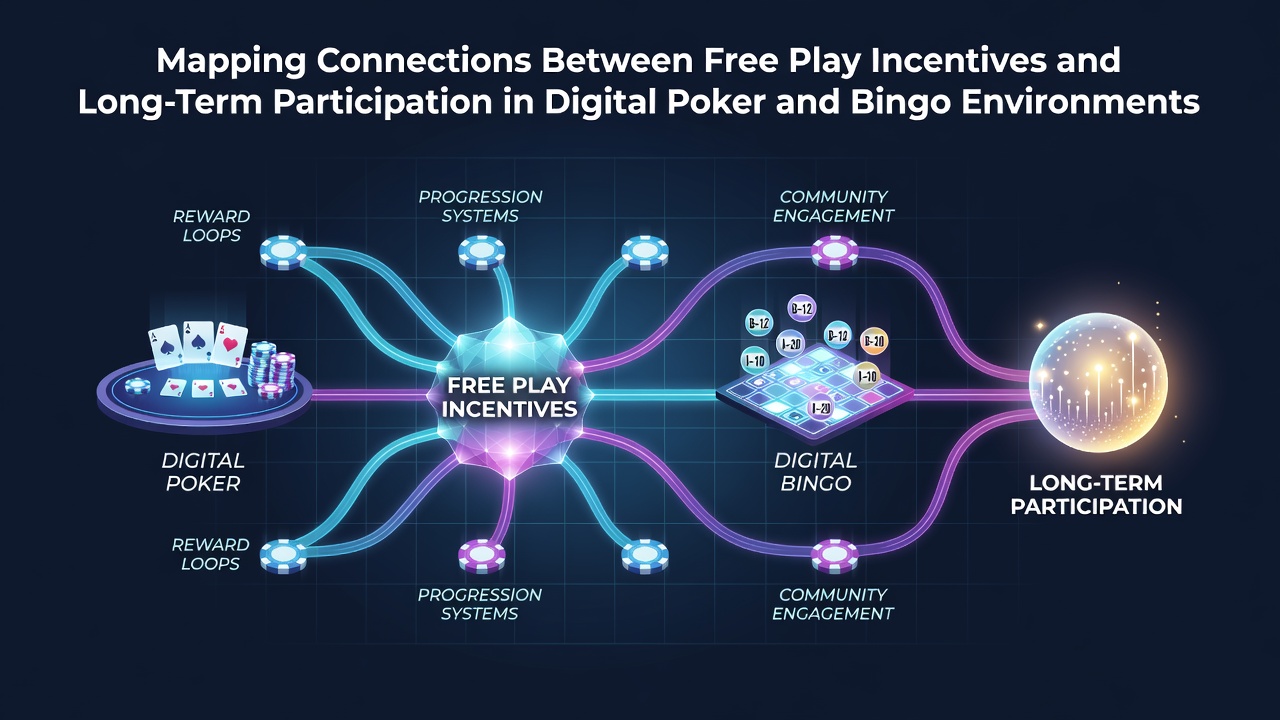
Mapping the Influence of Free Play Incentives on Sustained Player Engagement in Online Poker and Bingo Platforms
Free play incentives such as no-deposit bonuses and complimentary credits have become standard tools across digital poker rooms and bingo halls, where operators deploy them to draw new accounts and encourage repeated sessions. Researchers tracking user behavior note that these offers often serve as entry points, yet the path from initial claim to ongoing activity involves multiple variables including game type, reward structure, and player demographics. Data collected through platform analytics reveal distinct patterns when comparing poker environments, which rely on skill-based decision making, to bingo settings, which emphasize chance and social elements.
Patterns in Incentive Deployment and Initial Uptake
Operators in both sectors issue free play through welcome packages, loyalty tiers, and targeted promotions that activate upon registration or first deposit. Figures from industry tracking services indicate that poker sites frequently structure incentives around tournament entries or cash game credits, while bingo platforms lean toward ticket bundles or extra cards. Those who study retention metrics point out that uptake rates climb when offers require minimal wagering thresholds, though conversion to paid play varies by region and regulatory framework. As of August 2026, reports compiled across North American and European markets show steady growth in incentive volume, driven by competition among licensed platforms seeking to maintain market share.
Retention Data Across Poker and Bingo Formats
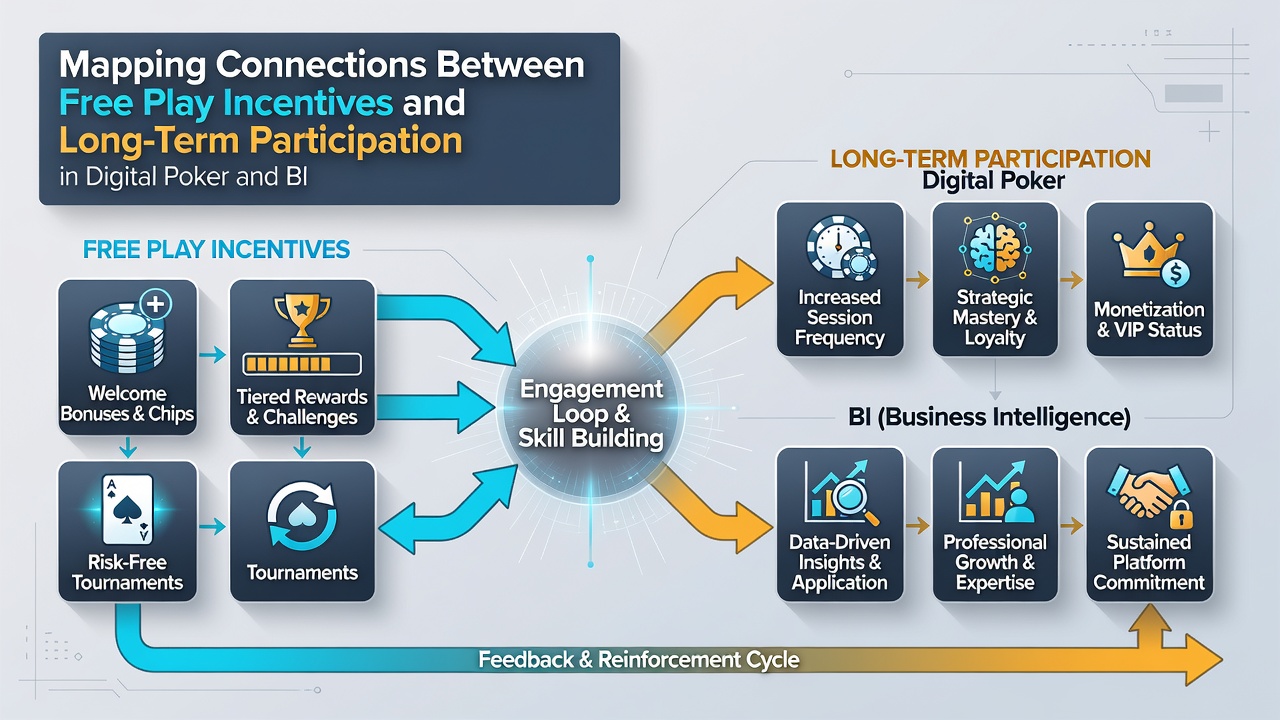
Long-term participation metrics demonstrate measurable differences once free play periods conclude. In poker environments, studies conducted by academic groups have found that players who receive entry-level tournament credits exhibit higher return rates during subsequent months when the incentives align with skill progression tools such as hand histories or strategy resources. Bingo participation, by contrast, shows stronger continuity when free tickets connect to community features like chat rooms or progressive jackpots. Observers tracking cohort groups over twelve-month windows report that bingo users often sustain activity longer when incentives recur through weekly or monthly cycles, whereas poker retention depends more heavily on individual performance feedback loops.
Key Variables Affecting Sustained Activity
Multiple factors intersect when mapping how initial free play translates into habitual engagement. Platform design elements such as mobile accessibility, payment speed, and game variety interact with incentive conditions like playthrough requirements and expiration dates. Research from the Canadian Centre for Gaming Research highlights that transparent terms correlate with lower churn rates across both poker and bingo verticals, while opaque restrictions tend to accelerate drop-off after the bonus cycle ends. Demographic data further refine these observations, as younger cohorts respond more readily to instant credit offers in bingo halls, while older poker participants show preference for reload bonuses tied to volume-based rewards.
Comparative Insights from Platform Analytics
Cross-platform comparisons reveal that bingo environments often achieve steadier participation curves following free play campaigns because the core loop requires less cognitive investment. Poker sites, however, register sharper spikes in activity during promotional windows followed by steeper declines unless accompanied by ongoing educational or competitive features. Analysts examining datasets from 2025 through mid-2026 note that hybrid operators offering both formats benefit from cross-promotion, where bingo incentives occasionally funnel users toward poker tables and vice versa. These movements appear most pronounced when reward systems allow seamless transfer of credits or loyalty points between game types.
Regulatory Context and Measurement Standards
Regulatory bodies in multiple jurisdictions have begun requesting standardized reporting on incentive effectiveness and player longevity. Authorities in Ontario and several Australian states now require operators to submit retention statistics segmented by bonus category, creating larger pools of comparable data. Such requirements have prompted platforms to refine tracking methods, including session duration, deposit frequency, and voluntary self-exclusion rates. The resulting datasets allow researchers to isolate the contribution of free play offers from other engagement drivers such as game updates or community events.
Conclusion
Available evidence positions free play incentives as meaningful but context-dependent contributors to long-term participation in digital poker and bingo settings. Retention outcomes shift according to game mechanics, incentive design, and regulatory oversight, with measurable differences emerging between skill-oriented and chance-based formats. Continued collection of granular data through 2026 and beyond will clarify which incentive structures most reliably support sustained activity while aligning with responsible gaming standards across regions.